Do AI & GPT Detectors Really Work?
+ Creator who makes $15K MRR with Undetectable AI
Hi! Today, we're discussing AI detectors. We have a cool case study, an analysis of such systems, and a bunch of hacks that will help you bypass online checkers.
So, in this issue:
- AI detectors & How do they work
- "Undetectable AI" tool, which makes $186k/year
- How to fool the AI & GPT detectors (Tips & Prompts)
Keep your mailbox updated with practical knowledge & key news from the AI industry!
Case Study | Opposing AI Detectors with $15K MRR
When it comes to AI detectors, it's safe to say that they actually work. At the very least, as a motivation to create nice AI startups.

With the development of ChatGPT and other chatbots, Jozef Gherman realized that developers will soon try to combat generated content. When a Florida entrepreneur and self-taught AI engineer came across an ad for GPTZero (one of the first AI detectors), Gherman decided it was time to take action.
Started by personally loaning $250 to his own business, he developed StealthGPT.
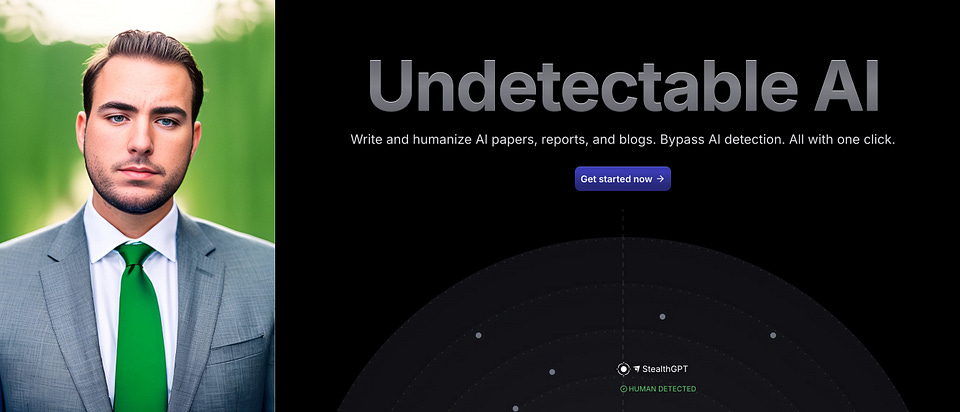
It's a content generator that mimics human patterns to make articles more interesting for readers and avoid problems with AI detectors. With its help, you can check a text or write a new one. StealthGPT calls itself “undetectable AI,” supports more than 50 languages, and promises 0% detection of generated content.
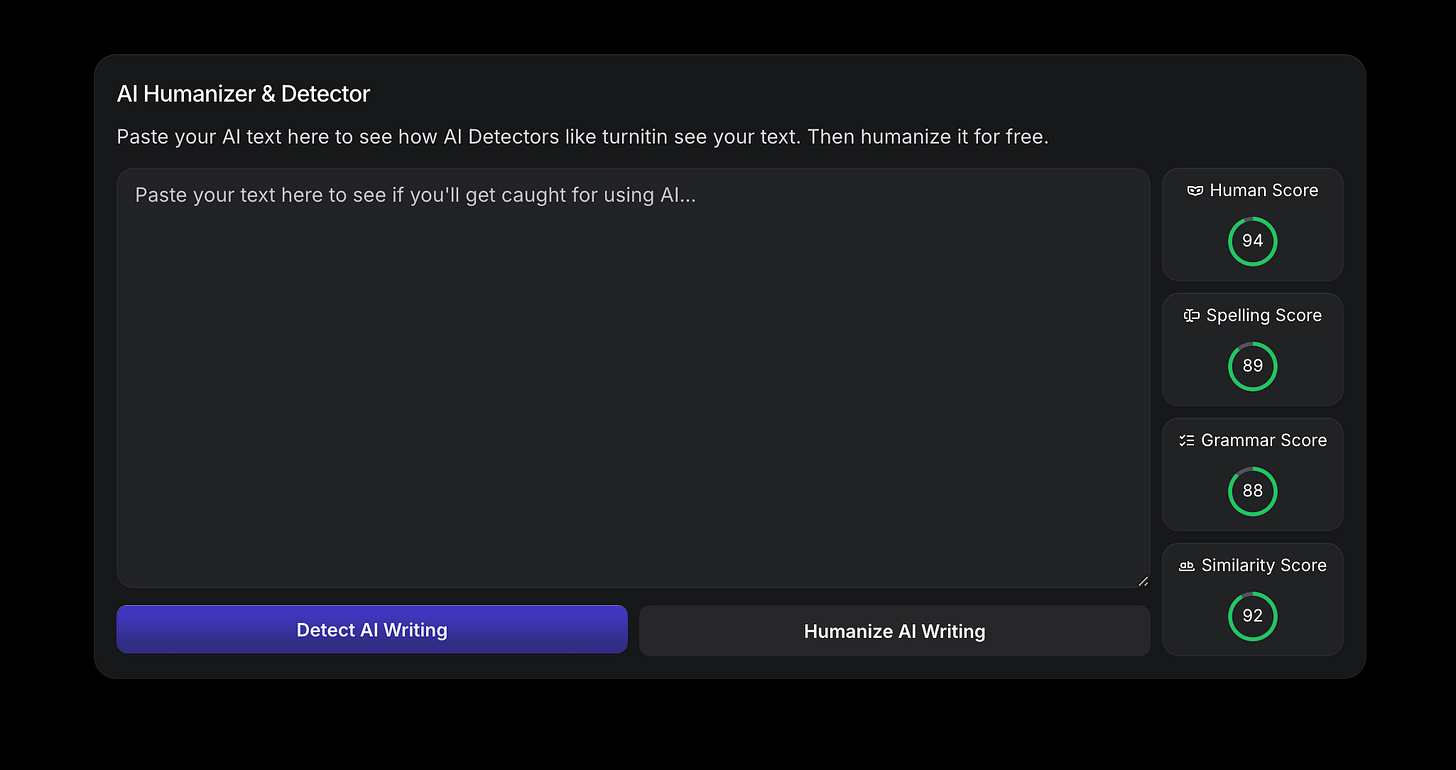
The product was created by Jozef over about six months using a free version of Vercel. The creator worked nights, paid for food and lodging through side projects, and set aside money to promote the platform.
Vercel is a platform for deploying web apps that provides hosting and infrastructure services for developers.
The marketing budget went to user-generated content from small creators in TikTok and Instagram, as well as advertising in Google, Meta, and X. The rest of the traffic was organic: StealthGPT was actively mentioned in various podcasts and blogs.
Sharing is caring! Refer someone who started a learning Journey in AI!
Result: Within 14 months of starting StealthGPT, the startup grew to $15K+ MRR and is now generating about $186K per year for the founder. Monthly traffic exceeds 300K users. The platform has improved more than 5.7M papers since its inception.
Excellent figures for a product, 90% of which features are available only through an expensive subscription. StealthGPT's most affordable tier starts at $24.99/mo, and a business subscription costs $49.99/mo.
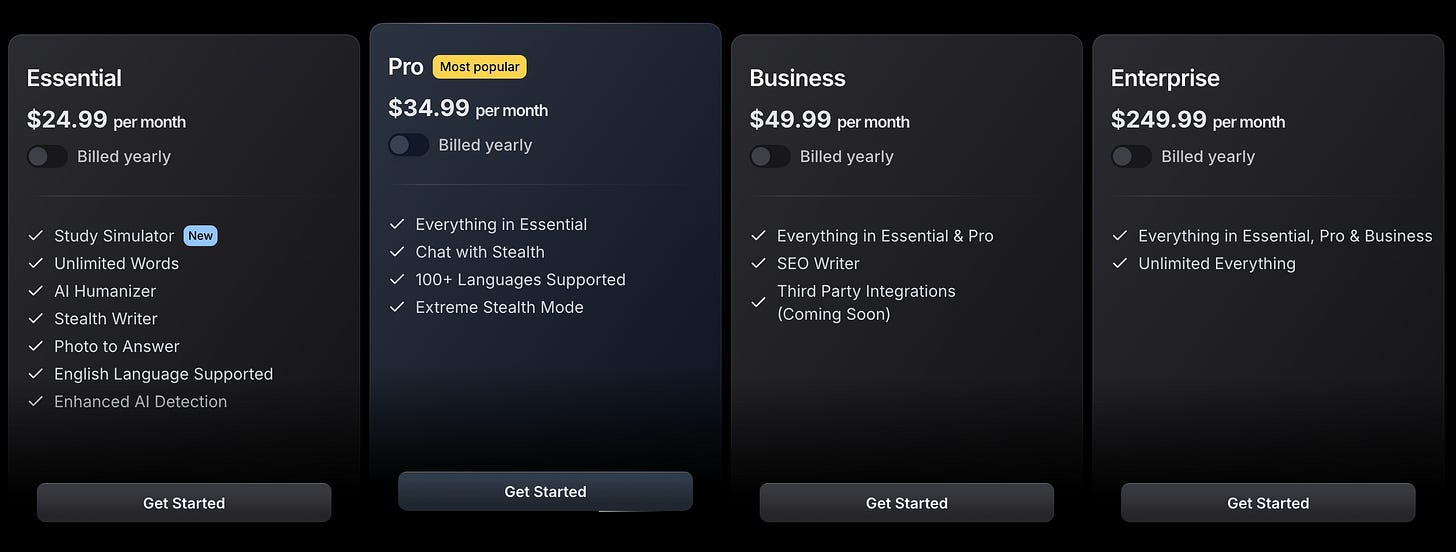
Anyway, Jozef has created a great solution for users who don't want to bother with editing or customizing their AI writer. But are such solutions really necessary?
Or can you use some techniques to save money and fool AI detectors? Okay, of course, there are; I spoiled that at the beginning.
Let's get to the point.
After reading this post, check out the next one, which will also help you save money on AI:
How Do AI Detectors Work
Before we discuss AI checkers’ deception strategies, we need to understand what they are and how they work. It’s pretty simple.
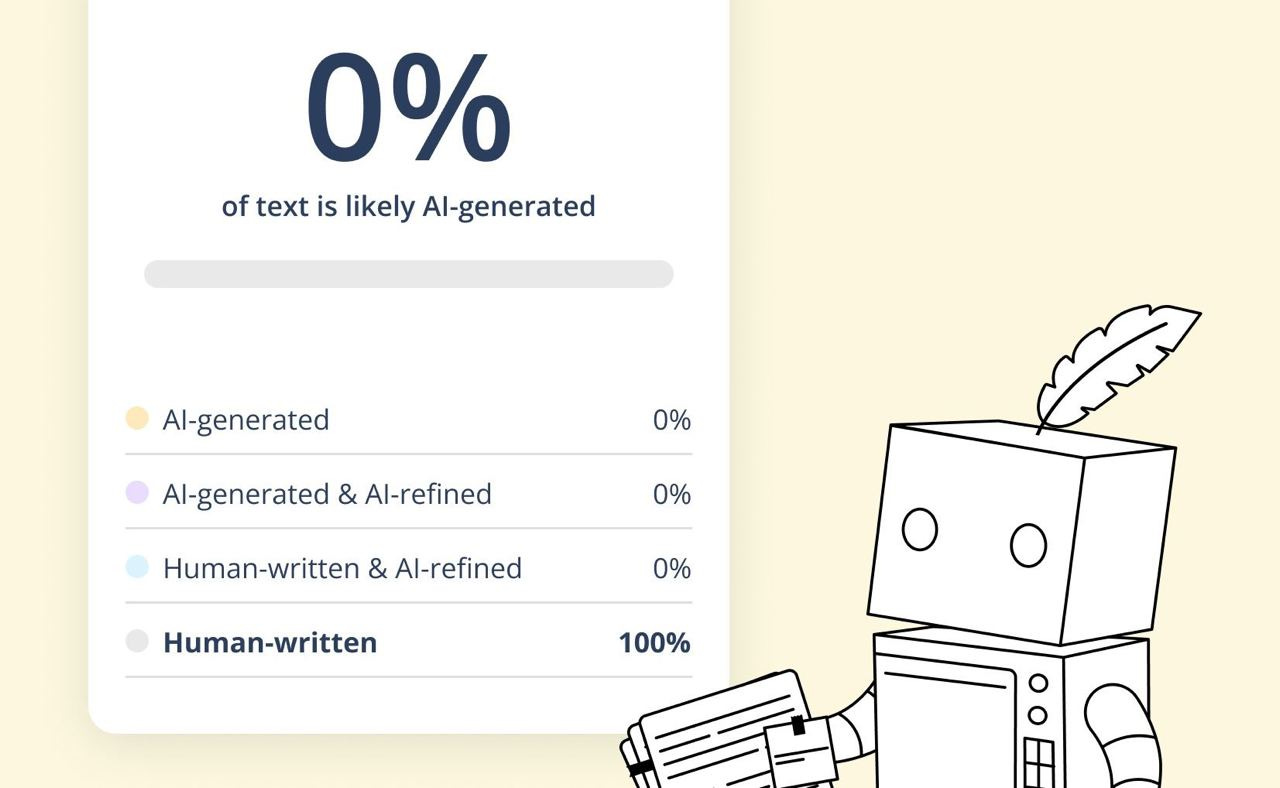
Detectors are systems designed to analyze and classify content. They typically apply natural language processing (NLP) to determine if an AI created the texts. Algorithms analyze the syntax, grammar, and language flow of text.
They also examine sentence structures and identify patterns typical of AI content, such as repetitive structures and unnatural wording. If you work a lot with AI content, you've probably noticed that chatbots love some patterns.
Specifically, long sentences, words with “-ing” endings, and over-enthusiasm.
Here are a few features that are especially important for AI detectors:
- Lexical: Word frequency and vocabulary choice
- Syntactic: Arrangement of words and phrases
- Semantic: Understanding of meaning and context
But more importantly, almost all detectors pay attention to the following two criteria:
Perplexity: This measures how predictable the text is. Lower perplexity suggests AI-generated content, while higher perplexity indicates human authorship.
Burstiness: This evaluates sentence variation and word diversity. Human writing typically shows greater diversity and variation compared to AI-generated text.
An important fact: AI detectors score texts based on the analysis results. But not everyone understands how this works. If you see that, for example, the probability of generation is 50%, it doesn't mean that half of it was written by AI.
That's just an assumption of the platform being used.
Creators’ AI could be a valuable gift for your friend, colleague, or family member. Gifting books is bright, but giving an AI newsletter is a superb move 😎
How to Fool the AI Detector
With a few exceptions, we don’t know all patterns of AI detectors. These systems are also created by different developers, so the elements that signal the use of AI can vary greatly. So there's only one way out: not to try to make the content less similar to the generated content, but to make it more human.
Below, I generate an entire article using ChatGPT and then use a few techniques to help defeat AI detectors.
As an example, we'’an example, we'll use ChatGPT to generate an article on the topic of language learning and ZeroGPT to validate the content.
My (purposely as simplified as possible) prompt:
Write a short article on how to learn a new language in 10 easy stepsThe result is obvious: ZeroGPT realized that the article was 84.19% AI-generated (although 100%, but that's okay).

Here's how we fix it.
1. Piece by piece
If you ask the AI to generate a whole text, it will start to fall apart into “chatbotty” fragments pretty quickly. So, if you have a lot of work to do, I suggest starting by generating a single outline and small snippets of text that can be put together later.
Here are the prompts:
Write an outline for an article on [your topic]. It should consist of five blocks, with an introduction and a conclusion.Now write the [Intro/First Block Title] for this article.I also suggest deciding on the length of the article and paragraphs in advance, depending on your task, and stating the limits in one of the Prompts above.
2. Improving the Overall Quality of Content
Above, I pointed out that chatbots still try to use some obvious patterns. Here are the most notable ones and ways that can help:
- Over-enthusiasm
Perhaps the easiest and quickest to solve.
“Rewrite the text without enthusiasm. Use [Academic/informative/friendly/casual] style.”To avoid using this prompt repeatedly, you can also click on your profile icon, select “Customize ChatGPT,” and describe the features you want in the “What traits should ChatGPT have?” section for your assistant.
- Words with -ing endings and “chatbotty” vocabulary
The first point will probably be resolved once you choose an appropriate writing style. As for the second, I have a small list of stop words in my traits section that I update occasionally.
Feel free to use it or add words that annoy you (and AI detectors).
Avoid using the following words in your output:

Essentially, Fundamentally speaking, Potentially, Arguably, Somewhat, Relatively, Kind of, From my perspective, One might consider, It could be said that, In my understanding, Generally speaking, Please note, Just to clarify, To be perfectly honest, Let me explain, Allow me to elaborate, I understand, I hear you, That's a great question, Thank you for asking, I appreciate your inquiry, Incredible, Amazing, Fantastic, Extraordinary, Phenomenal, Unparalleled, Unrivaled, Second to none, Game-changing, Revolutionary, Mind-blowing, Life-changing, Groundbreaking, Absolutely, Tremendously, Exceptionally, Incredibly, Remarkably
You can also use platforms that pick up synonyms and suggest fresh wording. A good example is Quillbot. It will help you bypass not only the AI detector but also the plagiarism checker.
3. Adding Context
One of the most notable features of chatbots is their love for vague and general wording (to be fair, not just chatbots, but many authors). Besides making the text more tedious, it gives away artificiality, which detectors notice. So it's worth fixing.
But we're too lazy to do it manually, right?
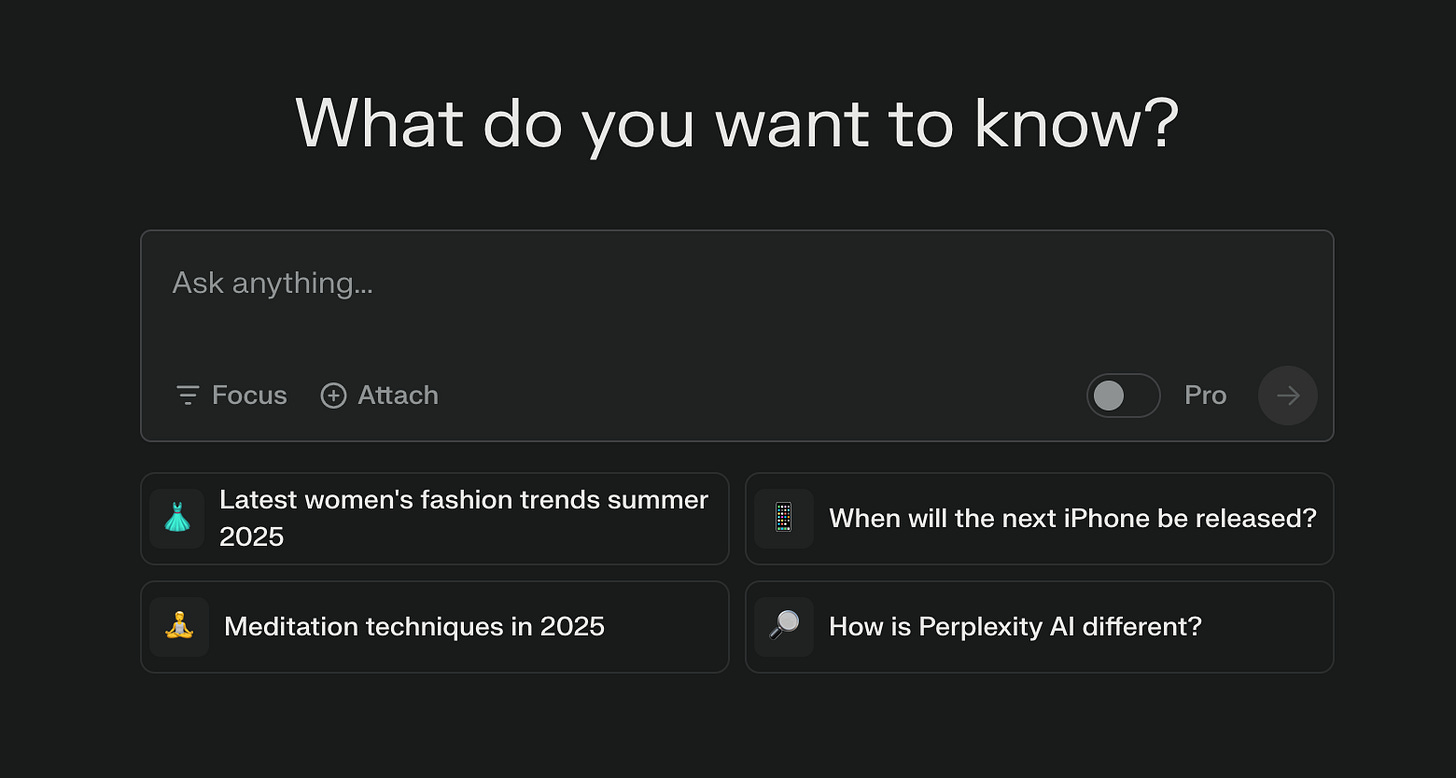
- Open another window in your browser
- Launch Perplexity, ChatGPT Search, or another AI search engine.
- Type in a topic-relevant prompt to dilute the text with new facts.
The prompt can be anything, depending on what type of text you need. If this is a practical guide, you can offer helpful tools. And if you are writing an essay, you will need examples related to real life and actual events.
In my case, I asked for some new language-learning apps and then went back to ChatGPT and asked it to add them to the various blocks in my article.
More on how to write with AI:
The Result
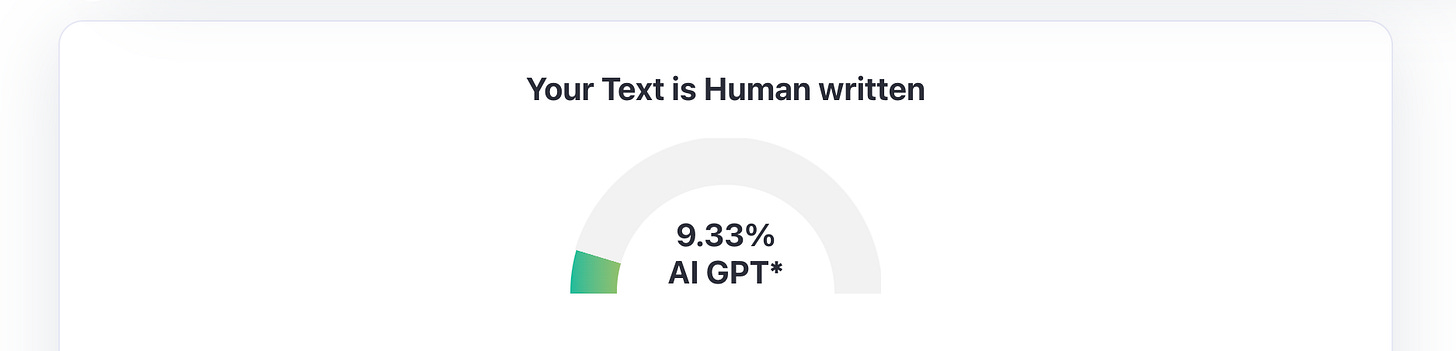
No doubts.
But if you don't want to bother (or just want to try tools to bypass AI detectors), here are five tools in addition to StealthGPT:
- BypassAI: A powerful AI humanizer that transforms AI-generated content into plagiarism-free, human-like text undetectable by AI detectors.
- HIX Bypass: This tool can bypass approximately 63% of AI detectors, including Turnitin and GPT Zero, while maintaining good readability.
- GPTinf: A paraphrasing tool that claims to bypass AI content detectors like GPTZero with a single click, boasting a 99% detector bypass rate.
- Undetectable AI: This tool modifies writing structure to evade detection by ML algorithms while maintaining the original meaning and readability.
- Monica AI Bypass: Combines multiple leading AI detectors to ensure content is undetectable and human-like, offering AI Humanizer and ChatGPT Checker.
Final Thoughts
Ultimately, I'd like to say that the fight between AI detectors and chatbots, and then anti-detector AI against AI detectors, is quite a fun race. And, at this point, the answer to the question of who will win remains open.
I'm betting that AI detectors are just temporary solutions that will gradually lose their effectiveness. I often test popular models and can say that they are rapidly progressing in creative writing.
ChatGPT, Gemini, Claude, and others are still not perfect. But they already have a rich vocabulary, can use a variety of wording, and are less likely to repeat themselves. This is due to the large amounts of data ingested and the fine-tuning of these models.
So, I believe that sooner or later (who knows, maybe this year), chatbots will learn to write on the same level as eminent novelists and journalists. Then, AI detectors will finally lose all meaning. In the meantime, we can outplay them.
Share this edition with your friends!
This article was first published in the Creators AI newsletter. View the original edition.