How AI Calorie Trackers Making $400k/mo
Exploring ways how simple AI wrapper goes viral
Hi!
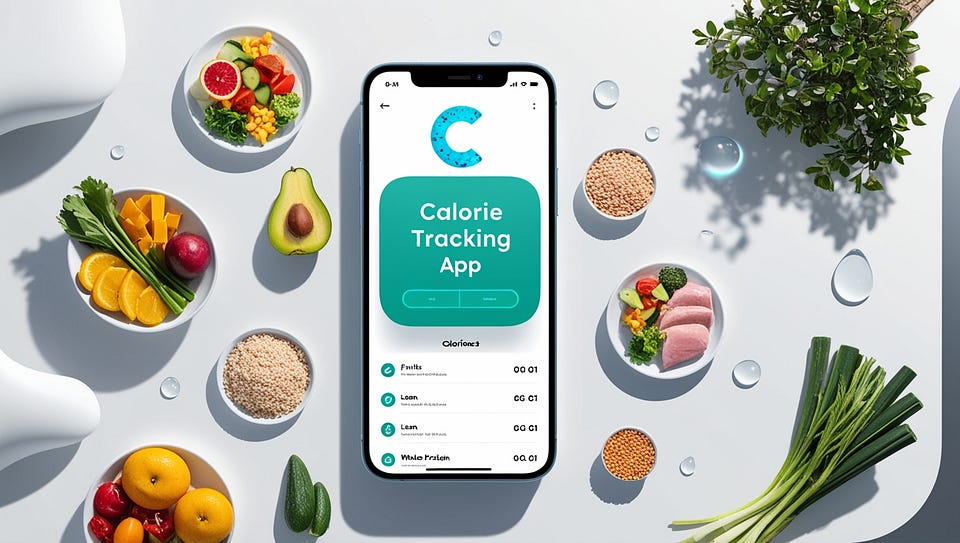
Continuing to explore the topic of AI wrappers (which we talked about in this post), I recently delved into the world of AI calorie trackers. As it turns out, this is an extremely popular trend among young creators. Many apps were launched just a few months ago but already have MRRs at $50K, $100K, and upwards of $400K.
And as time goes on, there are more and more of them. So, I thought we should discuss it. Let's talk about the trend for AI calorie-counting apps, break down strategies for engaging users, and identify how we can leverage their expertise.
By the way, last month we broke down not only AI wrappers but also boilerplates. Check it out if you want to learn how to launch a startup without headache:
How Do AI Calorie Trackers Work?
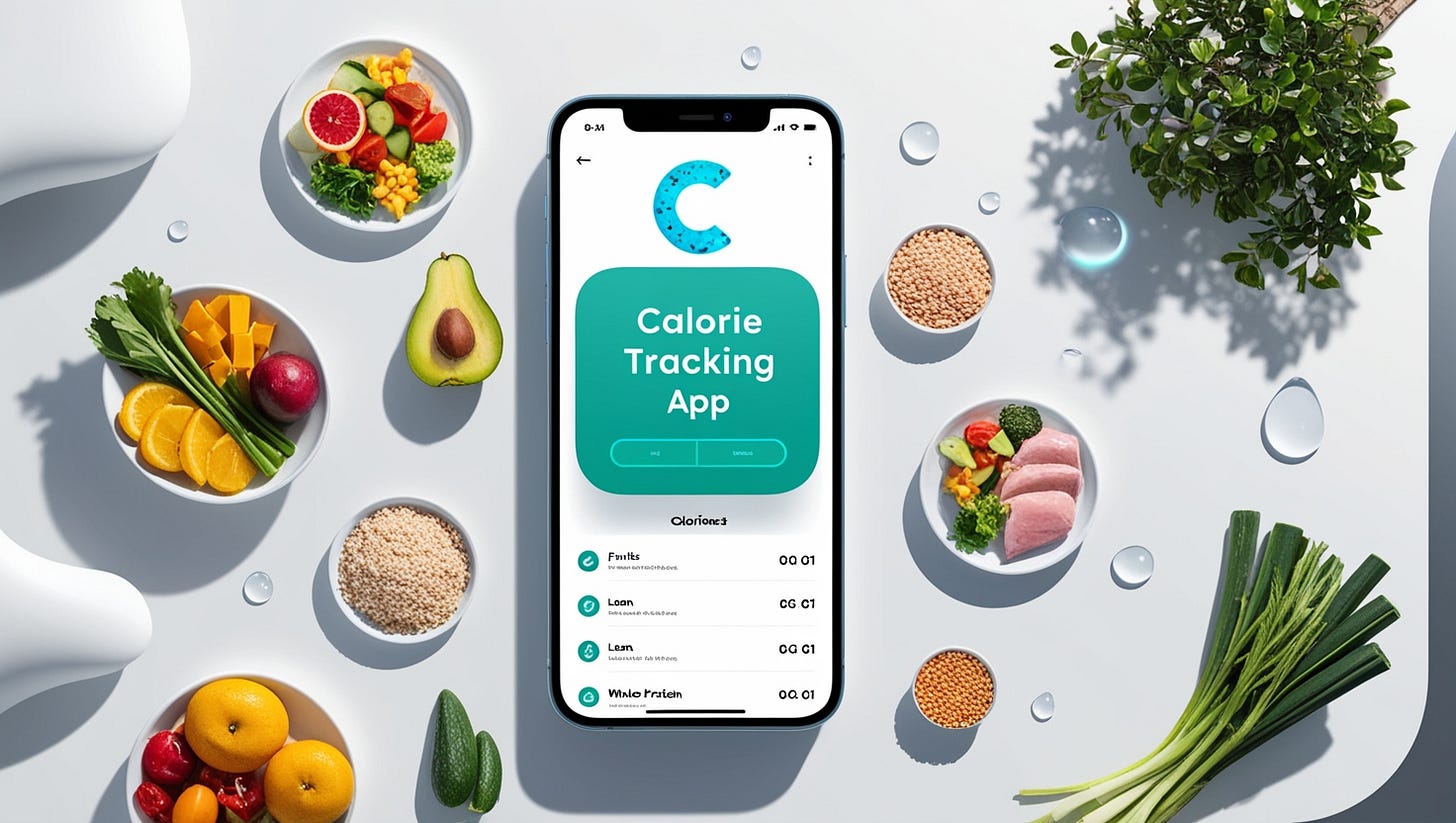
AI calorie trackers are a product that utilizes LLMs to solve a common problem - accurately tracking daily calorie intake and improving consumer health outcomes. It is a relatively simple business model with great potential to engage a wide audience, from regular users to athletes and those looking to lose weight.
AI calorie trackers are one of many app cases where users upload their data and get recommendations from AI. Therefore, similar practices can be used in other areas, including Fashion, Sports, Real Estate, Travel, etc.
If you are just starting to build your AI startup, we have the right post for you. From it, you'll learn what tools you'll need on this difficult journey:
Keep your mailbox updated with practical knowledge & key news from the AI industry!
Typically, AI calorie trackers combine AI and data analytics to track daily calorie intake by analyzing the nutritional value of the food consumed. Users can simply manually enter meals, scan barcodes, or take photos of their food. After that, the AI detects the type of food, estimates portion size, and provides real-time feedback on calorie intake, making the process smooth and convenient.
I'd say it's one of the most useful scenarios for AI in the real world.
One key benefit of AI calorie trackers is their ability to personalize dietary recommendations. By analyzing user data such as weight, age, activity level, and health goals, algorithms offer customized help for users to reach their goals.
On the technical side, most of the apps I've encountered are powered by OpenAI’s API and have a freemium model. They typically rely on GPT-4 Vision to detect and identify foods in an image. These models are trained on large image datasets to recognize foods such as fruits, pasta, or beverages. The standard OpenAI API can also help to describe or refine detected items, especially when context is needed.
The apps are free to download, and their features, such as calorie, nutrient, and exercise tracking, are available to all users. But you'll need to upgrade to get past the paywall or to access more advanced features like personalized meal plans and detailed analytics. This approach allows developers to attract a broad audience and convert some into paying customers.

By the way, we recently discussed the acquisition and sale of AI startups. You can find many such projects with established processes on Acquire:
But what's more interesting is the variation in user acquisition for seemingly identical apps. Some are making $50K MRR (which is also very good), while others are making $400K MRR over a comparable period.
Let's examine developers' strategies and results and consider what we need to do to keep our AI calorie tracker at the forefront of the minds of various audiences.
Of course, this experience can be used in other areas as well.
How to Make Viral Marketing for AI Calorie Trackers

So, as a case study, I propose to look at one of the most productive projects with available data—the “Cal AI - Food Calorie Tracker.” It was released this summer and is now #24 in the Health & Fitness section of the App Store in the US. The app has been downloaded over 200,000 times in the last month, and the MRR (just from the iOS version alone) is $400K.
Here's how developers Zach Yadegari and Blake Anderson achieved this.
They primarily used influencer marketing strategies. Influencers have a highly engaged community and a more genuine relationship with subscribers, especially in fitness, nutrition, and health niches. Fitness bloggers working with Cal AI show how they use the app to measure food intake and provide tips on how to track meals easily.
According to Zack and Blake, their optimal target is a $5 CPM (cost per mille). Once you can estimate a profitable CPA, and a conversion rate per 1k views, having a CPM target helps you retroactively figure out a solid influencer strategy.
Here is an example of one of the videos, which has garnered over 2M views:
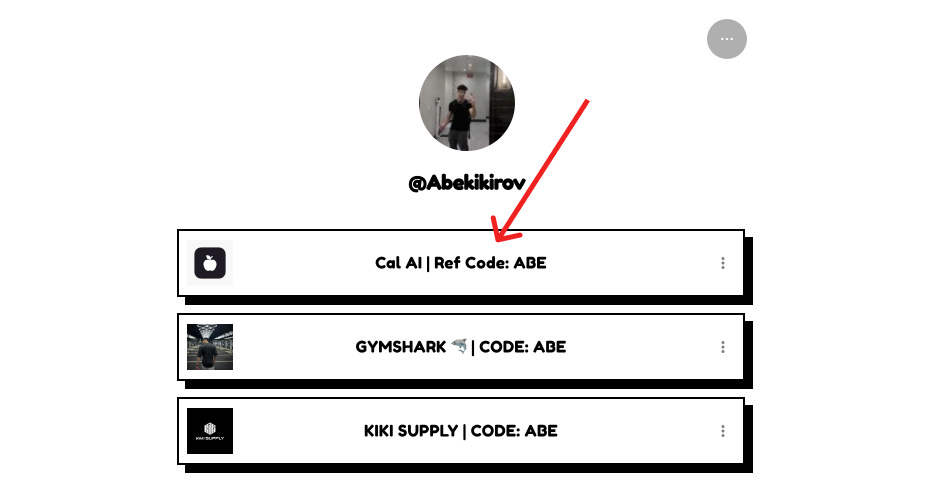
In addition to direct collaboration with bloggers, Cal AI also uses referral codes. Each Influencer has the code they share with subscribers in the comments. This approach creates an incentive for Influencers based on results.
Sharing is caring! Refer someone who started a learning Journey in AI!
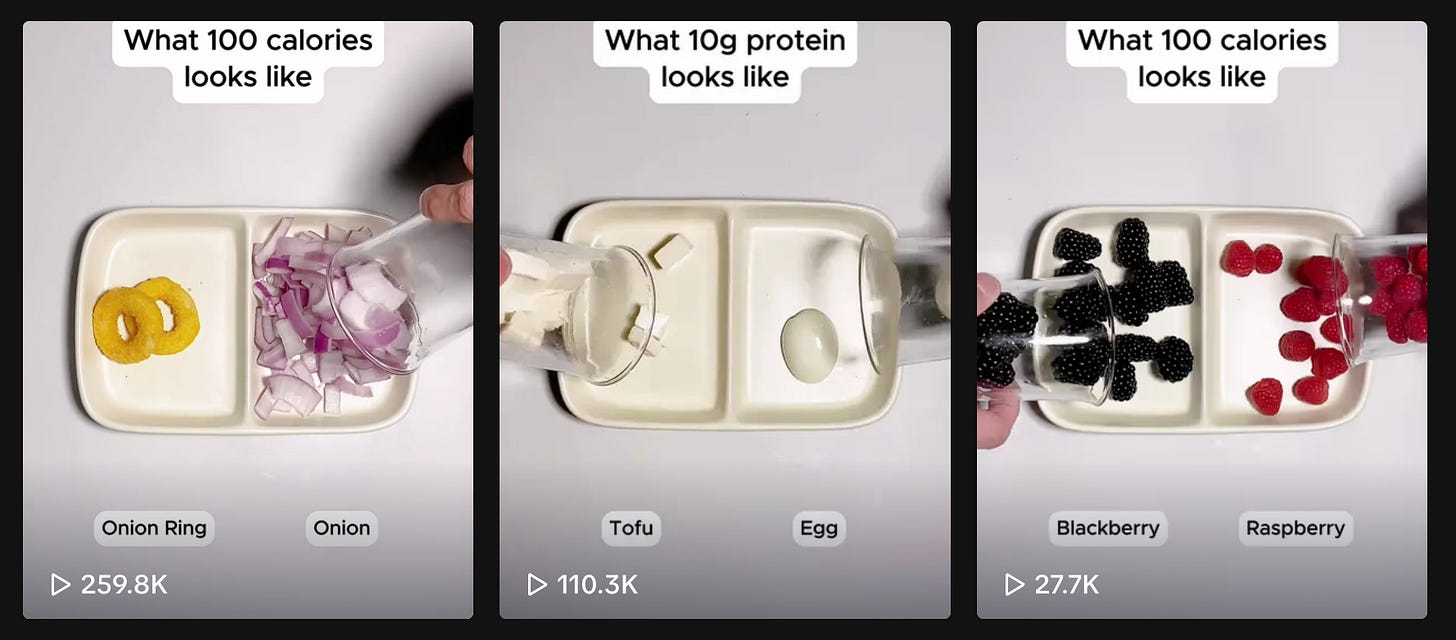
As for a less productive but still working approach, we have Calo Scan AI, also launched earlier this summer. This startup has reached $50K MRR through organic growth. It has its own TikTok account with pretty uniform videos. The median number of views is 450K, and the most popular video has 700K views.
All of their videos look pretty uniform:
I see several conclusions we can draw from these cases:
- Understanding psychological triggers: Viral campaigns often tap into emotions such as humor, surprise, or empathy that encourage people to share content.
- The power of social proof: People are more likely to engage with content if they see others already interacting with it, creating a snowball effect.
- Involvement vs. reach: Viral success is determined not only by the number of views or reposts but also by how deeply the audience interacts with the content (comments, likes, discussions).
- Consistency is your ally: Developers of AI calorie trackers create a huge number of videos with the expectation that some will go viral. Just a few videos that hit the recommendations can be enough to make a brand recognizable.
To learn more about creating viral content for TikTok, check out this post:
Bonus AI Tools for Your Viral Content
As a bonus, I suggest you look at a few AI tools that will make developing and implementing social media marketing strategies easier.
TrendTok - an AI tool designed explicitly for TikTok to track trending sounds, hashtags, and challenges. It predicts which trends will likely go viral, helping you stay ahead of the curve.
Viral Marketer — a solution for creating 14-day social media marketing calendars. You can quickly generate short-term plans and use them with your partners or colleagues.
Marketing Frameworks - a new platform focused on marketing tools and resources. It helps generate ideas, develop strategies, and gain market insights.
Share this edition with your friends!
This article was first published in the Creators AI newsletter. View the original edition.