LLMs Explained Simply & How They Can Save You 800 Hours This Year
Part 1️⃣ What are Large Language Models + How To Save 🕒 Using Them?

👋 Hey Creators!
Feel like there are never enough hours in the day? It’s difficult to manage your time as is, but what if we told you that understanding Large Language Models could extend your clock by automating some of the most time-consuming & repetitive tasks you face daily? (it’s MUCH easier than you think)
In today’s newsletter, we’ll be covering:
- What are LLMs?
- The History of LLMs
- How you can save 800hrs/year using them
- 5 LLM-based tools you wish you’d known about sooner
Do you have a minute to participate in our Subscription Giveaway and make our newsletter even better? Take a short survey and tell us about your experience + participate in the free Giveaway of a Premium Subscription for 6 months.
Why You Should’ve Known About LLMs Yesterday
Get this — on average, an entrepreneur & creator spends:
- 2 hours per day on email management
- 1 hour per day on scheduling and calendar management
- 1 hour per day on data entry and generating reports
What if LLMs could take over 80% of these repetitive, boring, and soul-sucking tasks? That's over three hours back in your pocket each day — adding up to an incredible 800 hours saved a year.

By leveraging LLMs, you can finally spend more time with your family, find time for fitness, watch that new Netflix series, catch up on the ever-piling sleep debt, take up a new hobby, or even take another vacation for a whole month!
Let's dive into why understanding LLMs is crucial for anyone looking to optimize their productivity and uncap their true creative & entrepreneurial potential!
Share this with your friends and colleagues, especially if they are AI-savvy!
LLMs? What Even Are Those?
Large Language Models, or LLMs, are advanced AI systems that enhance text prediction to an exceptional level — imagine the autocorrect & text prediction on your phone, but far more sophisticated.
When you type "I am going to the...", your phone might suggest words like "store" or "gym.", based on the words you wrote before. LLMs operate similarly, but on a much larger scale, using vast amounts of text to predict and generate language accurately.
The Core Pillars of LLMs are:
- Transformer Models - the backbone of most LLMs, these models process data by breaking down input text into smaller parts (tokens) and analyzing the relationships between them. This helps the model understand and generate language based on the context provided.
> Just like our brain uses neurons to process and relay information, transformer models use tokens to process and generate language, making sense of the input based on context.
- Training - LLMs learn by consuming vast amounts of text data, from websites like Wikipedia to books and articles. This training allows them to understand language patterns and context, and, as a result, generate better text.
> It’s just like reading hundreds of books to enhance your knowledge and master a subject, we feed LLMs with text data from diverse sources like Wikipedia and various books to help them learn, though with a small caveat — LLMs can do this anywhere from 100-1000 times faster than us.
- Fine-tuning - after their initial training, LLMs can be fine-tuned with specific data sets to perform tasks like translation, content generation, or even coding.
> With fine-tuning, you’re giving your little helper a specific role & legend to fill — for example, "Sir Code-a-lot”, who, after his rigorous initial training, is now sharpening the specific skills needed to slay the mighty dragons in the C++ Language.
And if you want to see how different your autocorrect & text prediction on your phone is from actual Large Language Models – then here’s a cool visual showing the sheer scale of the various GPT LLMs
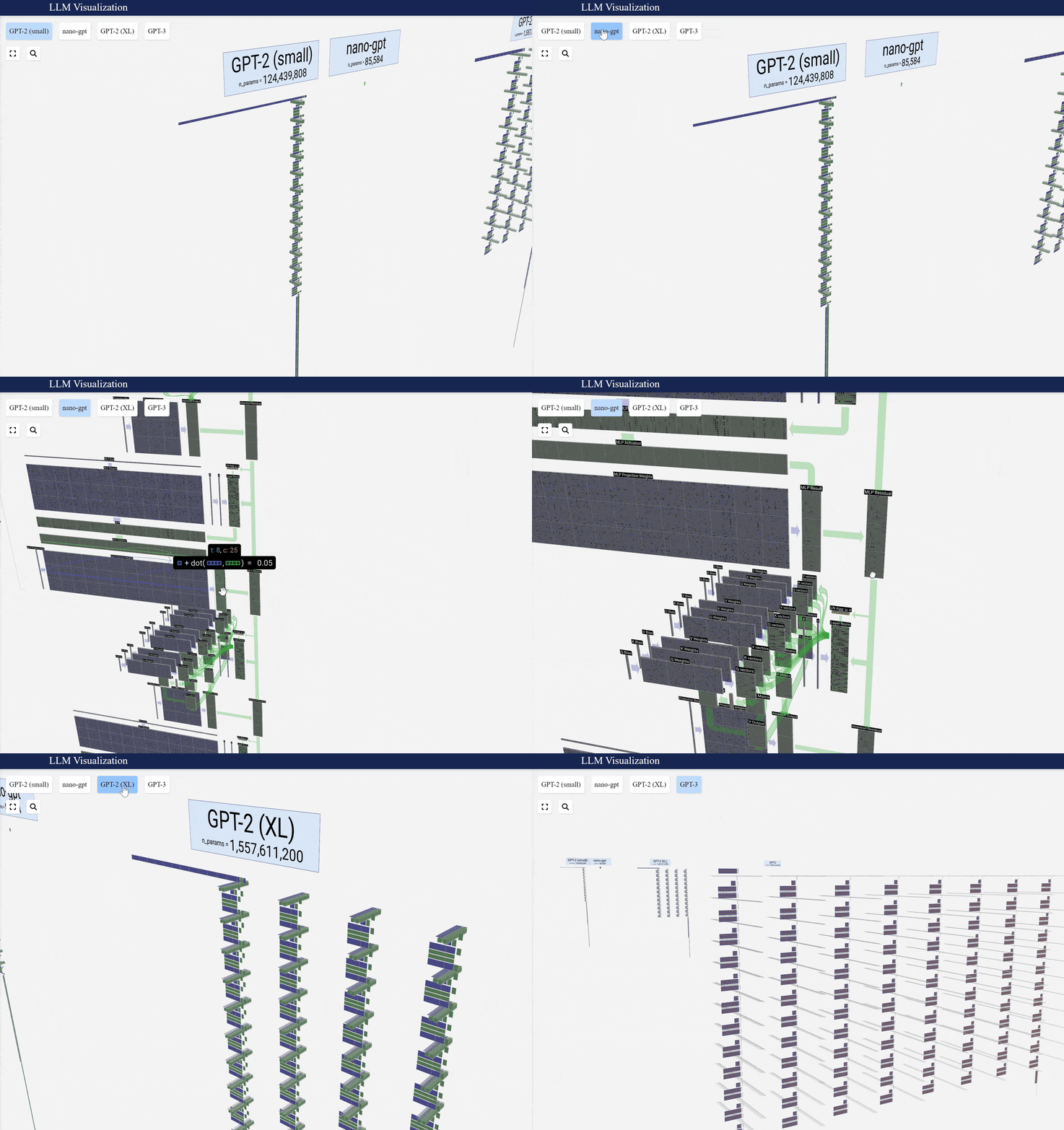
Essentially, LLMs predict what comes next, depending on the context & your input. If you’re a programmer and you’re writing code in Python, and use an LLM-powered code editor, the model understands every line of code you’ve written and suggests the next one accurately!
Keep your mailbox updated with practical knowledge & key news from the AI industry!
The History of LLMs & Transformers
The evolution of LLMs (Large Language Models) began with the introduction of the Transformer model by Google at NeurIPS 2017.
This model introduced a new approach called "attention mechanisms" that improves how machines understand the context within text. Basically, a Transformer allows the model to focus on different parts of the input data at different times, improving its ability to generate accurate and contextually appropriate responses.

This model led to significant developments such as BERT and GPT models. GPT models, starting from GPT-1 to the latest iterations like GPT-3.5 and GPT-4, have significantly advanced in capabilities, achieving tasks that range from simple text generation to complex decision-making and problem-solving tasks.
And you know what’s the best part about LLMs becoming mainstream?
Nearly every SaaS company is leveraging them by building apps to solve the problems we creators & entrepreneurs face daily – responding to emails, scheduling meetings, finding time for family and leisure, data entry, everything you could imagine — there’s an LLM-based tool for it now.
How To Leverage LLM-Based Tools To Get 3 Hours Off Tomorrow
Time is the one thing money cannot buy, it’s the one thing we all wish we had more of — and thanks to modern tech, we can reclaim up to 800 hours a year to do the things we love.
Let’s explore the best LLM-powered tools, what tasks can be automated, and how you can save time today & moving forward!

Get more from Creators' AI in the Substack app
Available for iOS and Android
Stop Googling – Use The Next-Gen LLM-Powered Search Engines
In the digital age, time is currency. Every second counts, especially when you're searching for critical information to drive your business & creative decisions. This is where LLMs come into play, powering the next-gen search engines that provide not just faster, but smarter search capabilities.
Here’s exactly why LLM-based search engines can save you hundreds of hours googling:
- Precise Search Results – LLM-based search engines understand context, not just keywords. This means they can interpret your queries more intelligently, delivering precisely what you’re looking for without the back-and-forth of refining search terms – they know what you mean.
- Speed – these search engines process and retrieve information at an extremely fast pace, helping you find answers in seconds that might have taken minutes or hours with traditional search engines, especially if what you’re searching for isn’t mainstream or is highly specific.
- Efficiency – by understanding the nuances of language and your intent, LLM search engines reduce the time you spend sifting through irrelevant results.
And here are the best LLM-powered search engines you can use right now:
Perplexity.AI
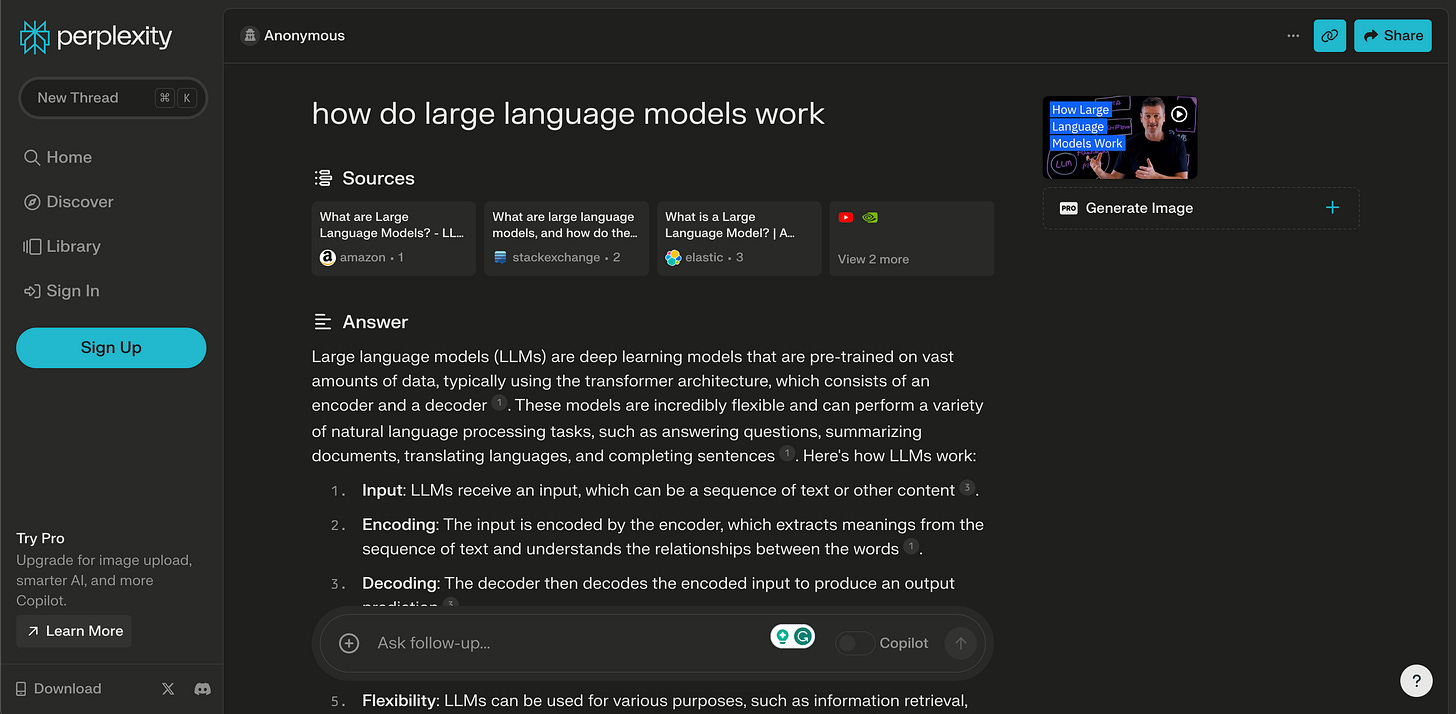
Perplexity.AI is an advanced search engine tailored for those who need depth and context, perfect for complex queries that require nuanced answers. It even allows you to ask follow-up questions for precision, and change the “focus” mode to academic, writing, YouTube, and Reddit-only search — making it great for research of every kind.
Creators’ AI Subscription is the best gift for Creators diving into AI.
Google Gemini
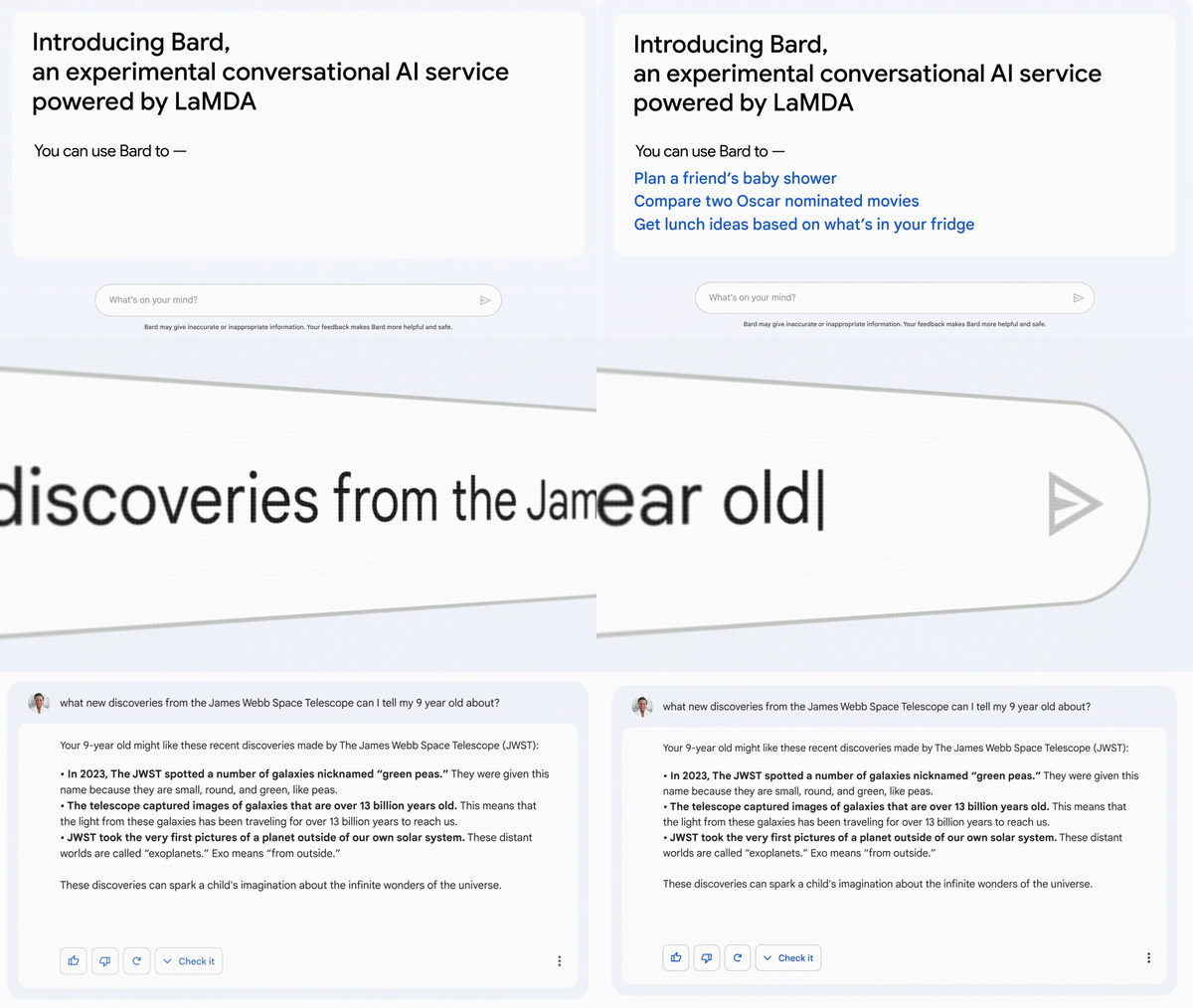
Gemini is a LaMDA LLM-based AI-powered search engine by Google and may already be integrated into your Google Search (depending on your region) — if you have this feature, you will automatically be given more extensive search results whenever you google something. Even if you don’t have this feature, Gemini proves to be a cutting-edge search & research tool.
We actually did a test drive with Gemini, you can check out our honest review here:
Microsoft Bing AI

Bing AI – while it is controversial for its censorship and limitations, it’s still based on the GPT-4 LLM, making it extremely powerful. You can pick conversation styles, such as “more creative”, “more balanced”, and “more precise” depending on your needs.
My personal favorite is Perplexity.AI, — it gets the job done the fastest and always delivers good (better than the alternatives) results.
Still Reading & Responding To Your Emails, Human?
If you're spending hours each day managing your inbox, responding to emails, and sorting them — then it's time to consider the power of LLMs in optimizing your inbox, making it nearly hands-free.
Here’s how LLMs completely change email management:
- Automated Sorting - tools like Sanebox use LLM technology to filter your emails as they come in, categorizing them by urgency and relevance. This means less time sorting and more time focusing on emails that actually need your attention.
- 3-Second Responses - ever wished you could reply to emails in seconds? LLMs can suggest smart, context-aware responses that you can use to reply with a single click, greatly cutting down your response time.
- Scheduled Reminders - forget about missing follow-ups. LLMs can automatically remind you to check back on important emails, ensuring you never drop the ball on your communications.
- Inbox Decluttering - reduce the clutter with LLM-based tools that help unsubscribe from unwanted newsletters and filter out spam from important messages, keeping your inbox clean and manageable.
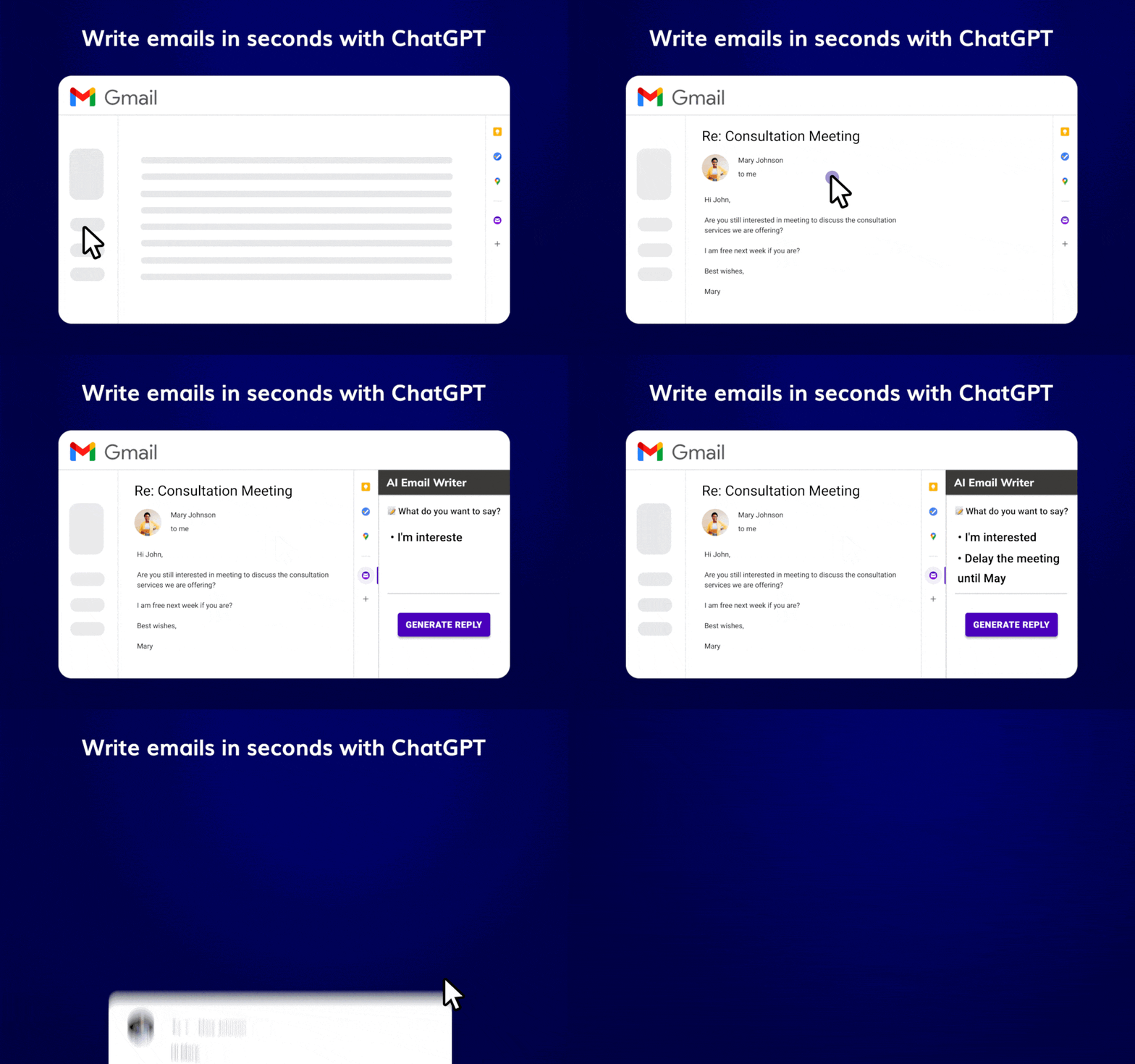
Here are the top tools for LLM-Supercharged email management:
Sanebox
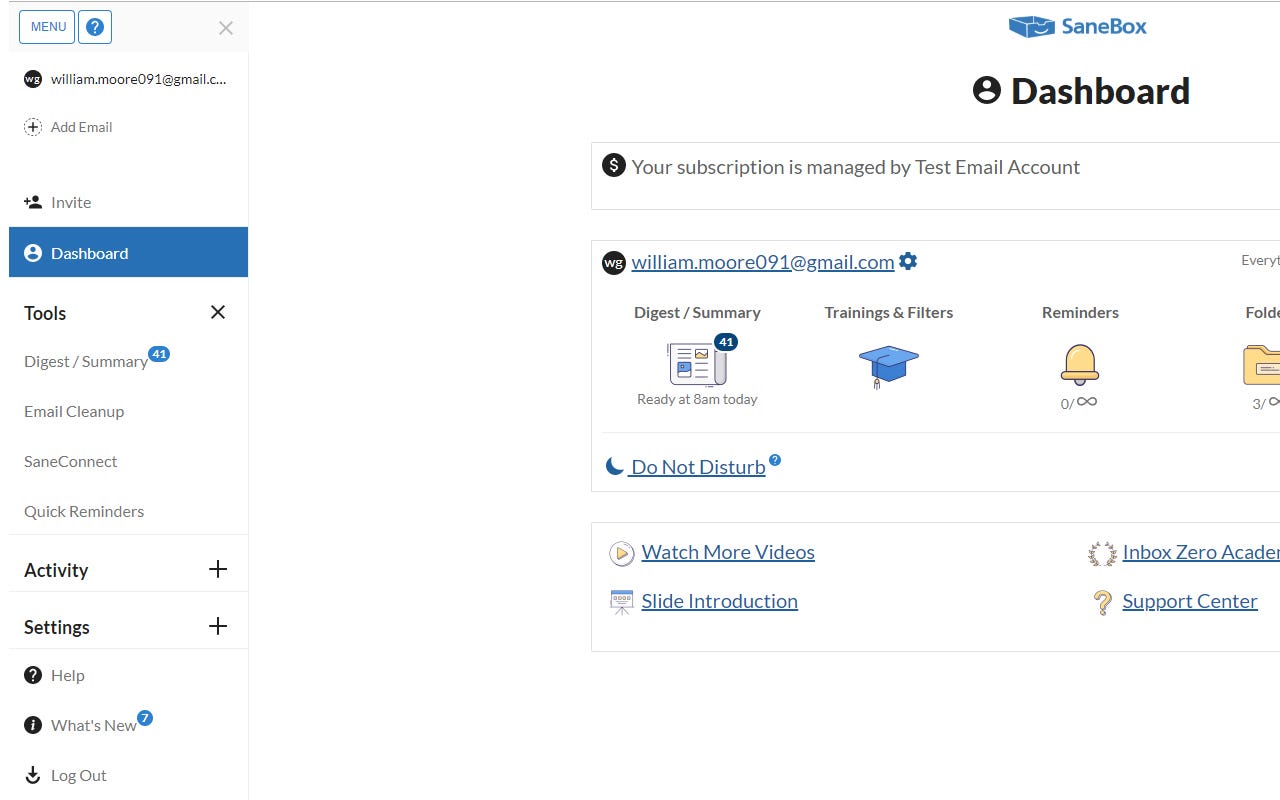
Sanebox effortlessly sorts your emails by category and importance, from highest to lowest, requiring minimal input from you—perfect for busy professionals. It also boasts some nice quality of life features, such as email cleanup & quick summaries.
Superhuman
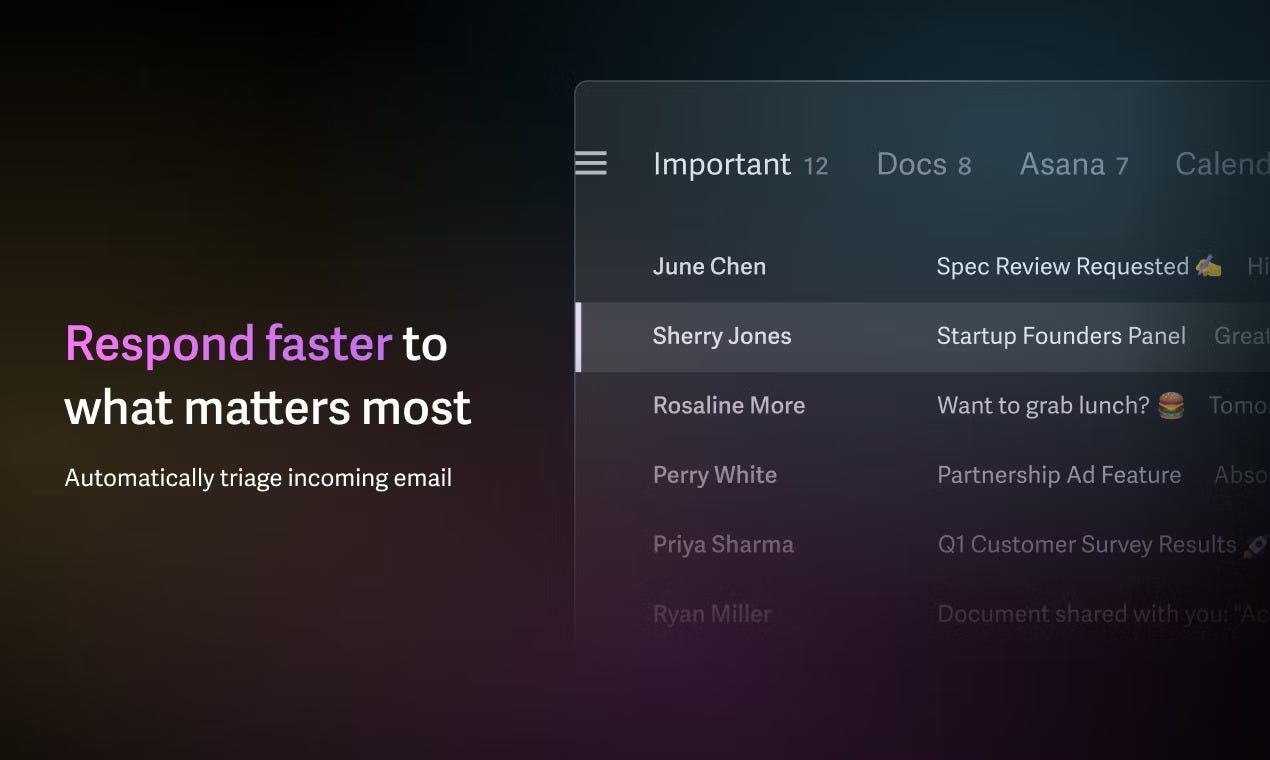
Superhuman - if you're looking for an even more streamlined approach, this tool rapid email processing with powerful shortcuts and tools, making it feel like you have superpowers.
Using one of the above LLM-powered email solutions, you can literally add an extra 2 hours to your day. Why spend hours on emails when a smarter inbox can do it for you?
TL;DR
Time is the most valuable currency you own, and there’s no way to buy it back. Why spend precious time on boring & repetitive tasks when you can get a machine to do it for you? LLMs achieve this by being trained in specific contexts to get a certain task done efficiently – like email management, scheduling, searching, writing & coding.
Here’s how to leverage LLM-based tools and find time to do what brings you joy:
- Up Your Search Game – find specific information quicker by using Gemini, Perplexity.AI, or Bing AI.
- Manage Your Inbox (Almost) Hands-free – use Sanebox or Superhuman to respond to emails in one click, have them all categorized & sorted for you automatically, and more.
Stay tuned for Part 2, where we’ll dive deeper into more specific LLM-based tools that can help:
- Add more time to your day — a few tools that can manage your calendar efficiently, allowing you to make time for your family, leisure, meetings & deep work, all with the click of a few buttons.
- Browse Like You’re In 2055 — intelligent webpilots that help you navigate the internet like you’re living in the future, wasting no time watching hour-long YouTube videos or reading hefty articles, just one click and you’ve summarized it all.
And we’ll also be covering how businesses in various niches saved thousands of $$$ & 🕒 by integrating LLM-powered solutions + how you can do the same in your own ventures.
How have LLM-based tools helped you with your workflow? Let us know in the comments!
This article was first published in the Creators AI newsletter. View the original edition.